Buying Guide
Home Appliance Buying Guide: How To Choose The Right Product For Daily Use
Use this home appliance buying guide to compare coffee makers, kitchen appliances, air purifiers, and comfort products with less guesswork and better long-term value.
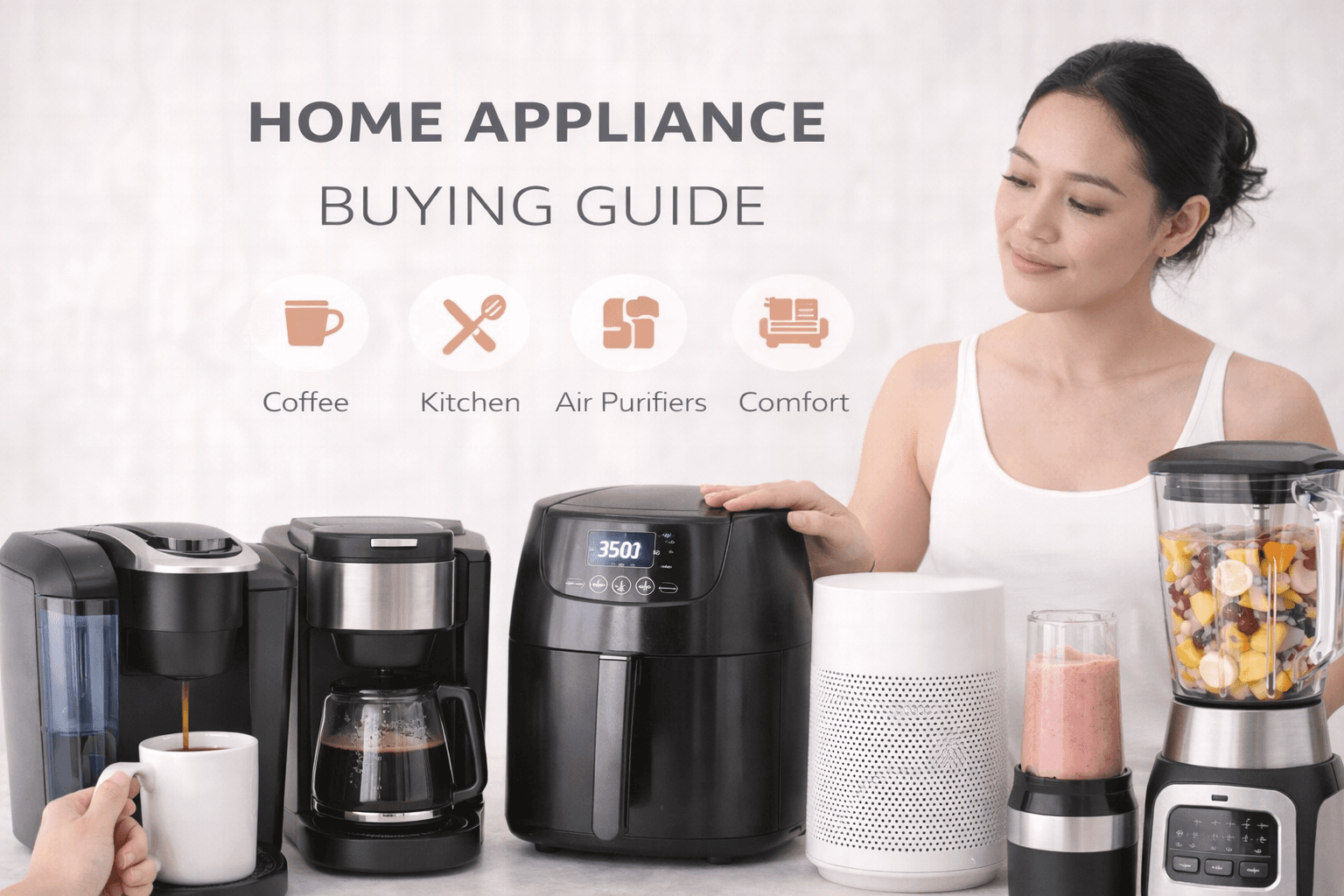
This home appliance buying guide is written for readers who are still in research mode and want a practical way to compare product types before they commit to a shortlist. Instead of pushing one product too early, the goal here is to explain how to choose a home appliance based on daily use, real friction, cleanup, size, maintenance, and long-term value. That makes the guide more useful for search traffic and much more helpful before you move into best-product lists, detailed reviews, and side-by-side comparisons.
Start With The Daily Problem You Want To Solve
The best home appliance purchase usually starts with one simple question: what repeated problem do you want to fix in your routine? Some buyers want better coffee at home without stopping at a cafe every morning. Others want a kitchen appliance that saves prep time, an air purifier that improves comfort in a bedroom, or a countertop product that reduces daily friction in a small apartment or family kitchen.
When that problem is clear, the rest of the buying decision gets easier. You stop looking at every product in the category and start focusing on the products that actually match the way you live. That is what makes a buying guide useful for SEO and for the reader. It helps people search with better intent, compare smarter, and avoid wasting time on products that were never the right fit.
This is also why broad affiliate sites perform better when guides stay practical. A guide should not read like a thin list of features. It should help the buyer understand the category, narrow the field, and move with confidence into the best list or review page that matches the job they want done.
Match The Product Category To The Job
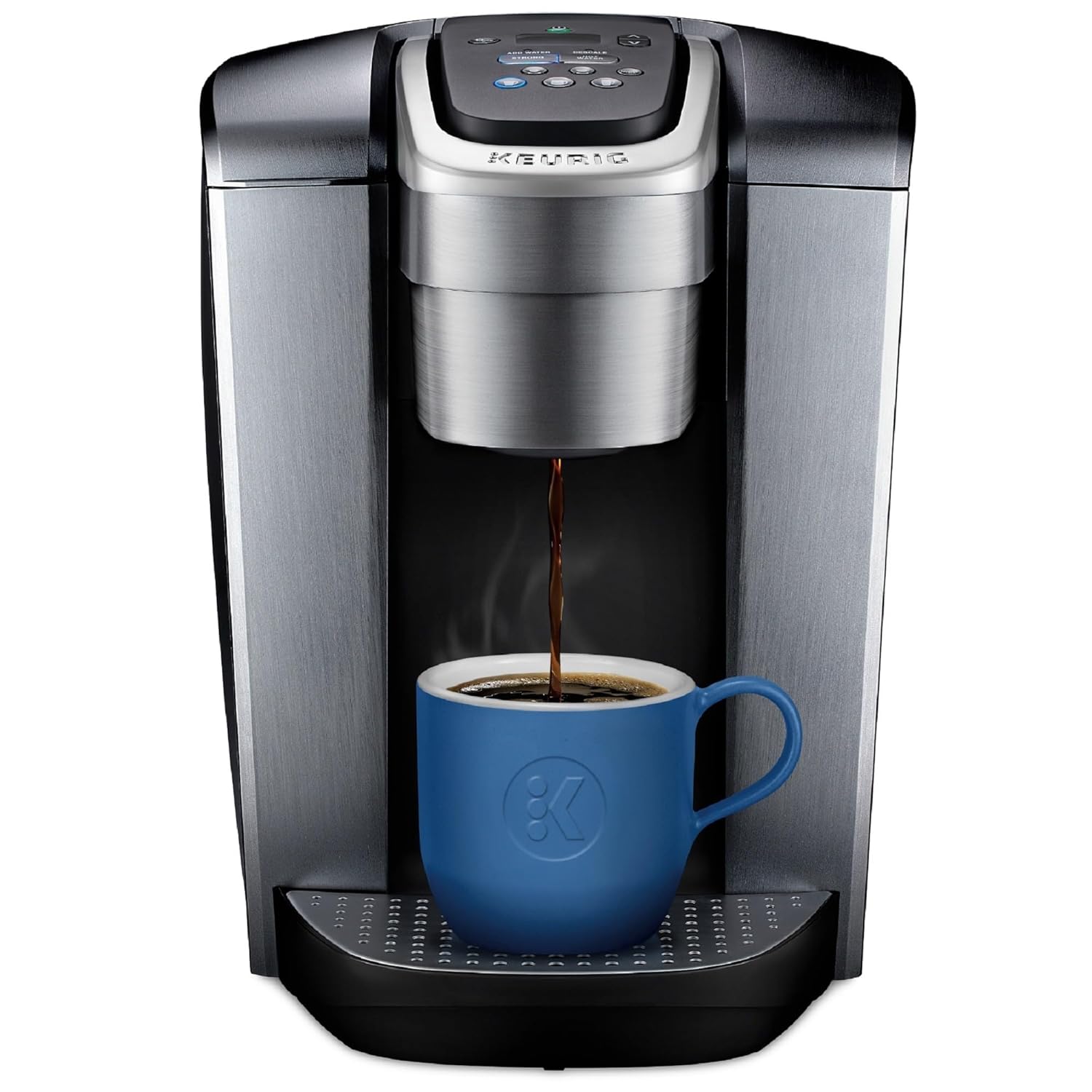
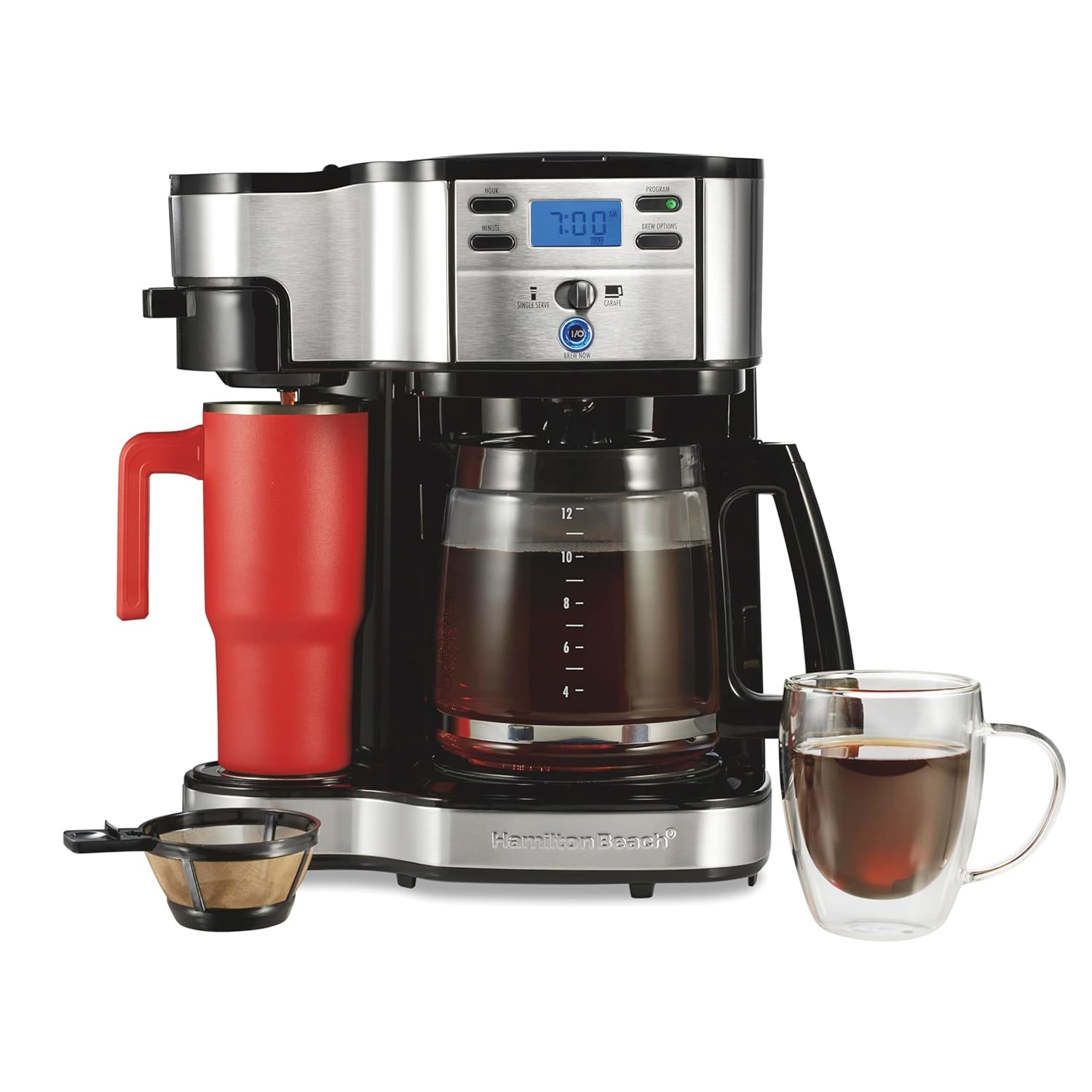
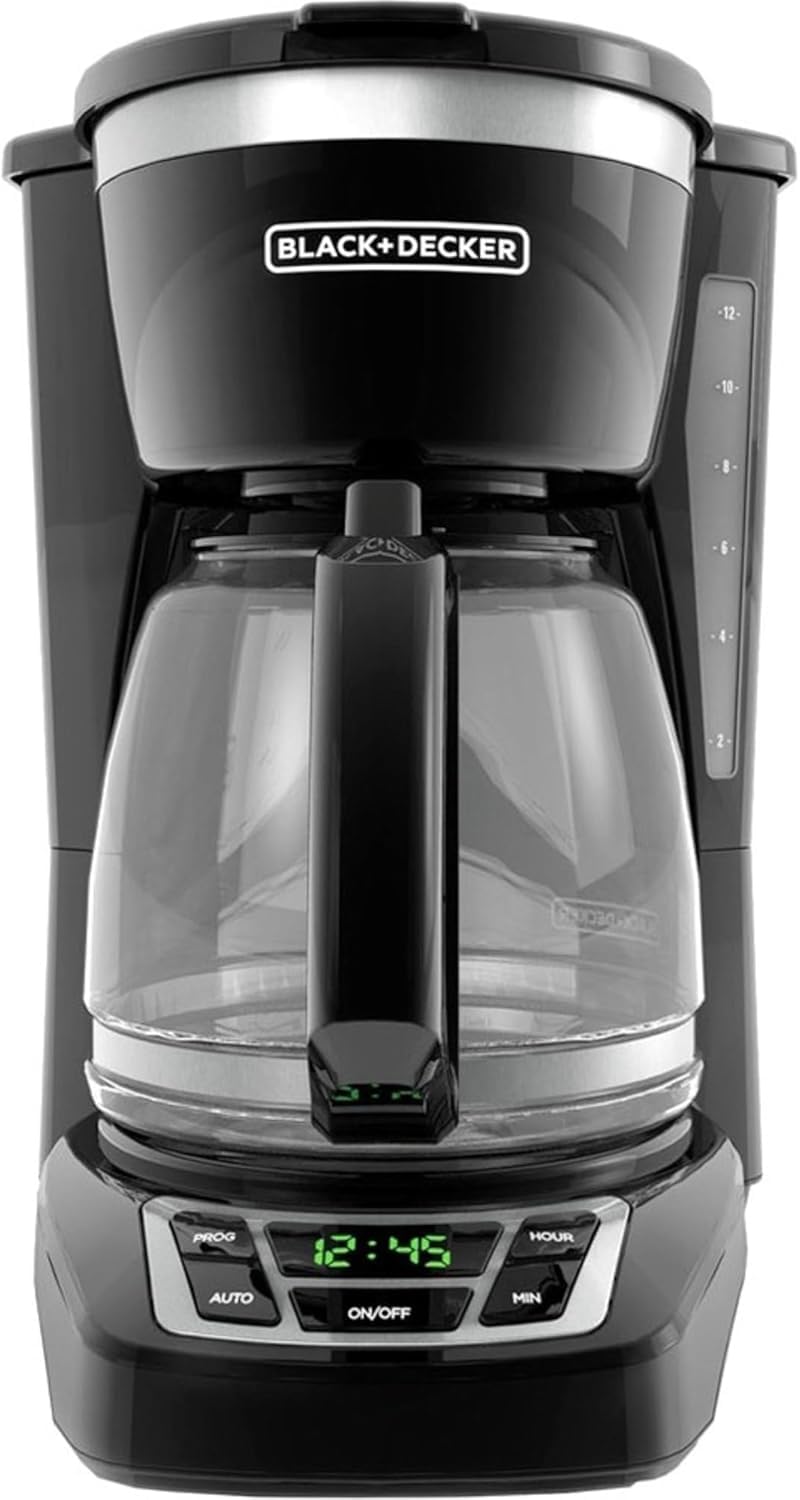
A lot of weak buying decisions happen because the shopper starts with a product type instead of a use case. For example, a person searching for the best coffee maker for home should first decide whether they want convenience, larger batch brewing, or more control over the routine. The same logic applies to kitchen appliances, air treatment, and home comfort products. The right choice depends on what problem shows up most often in daily life.
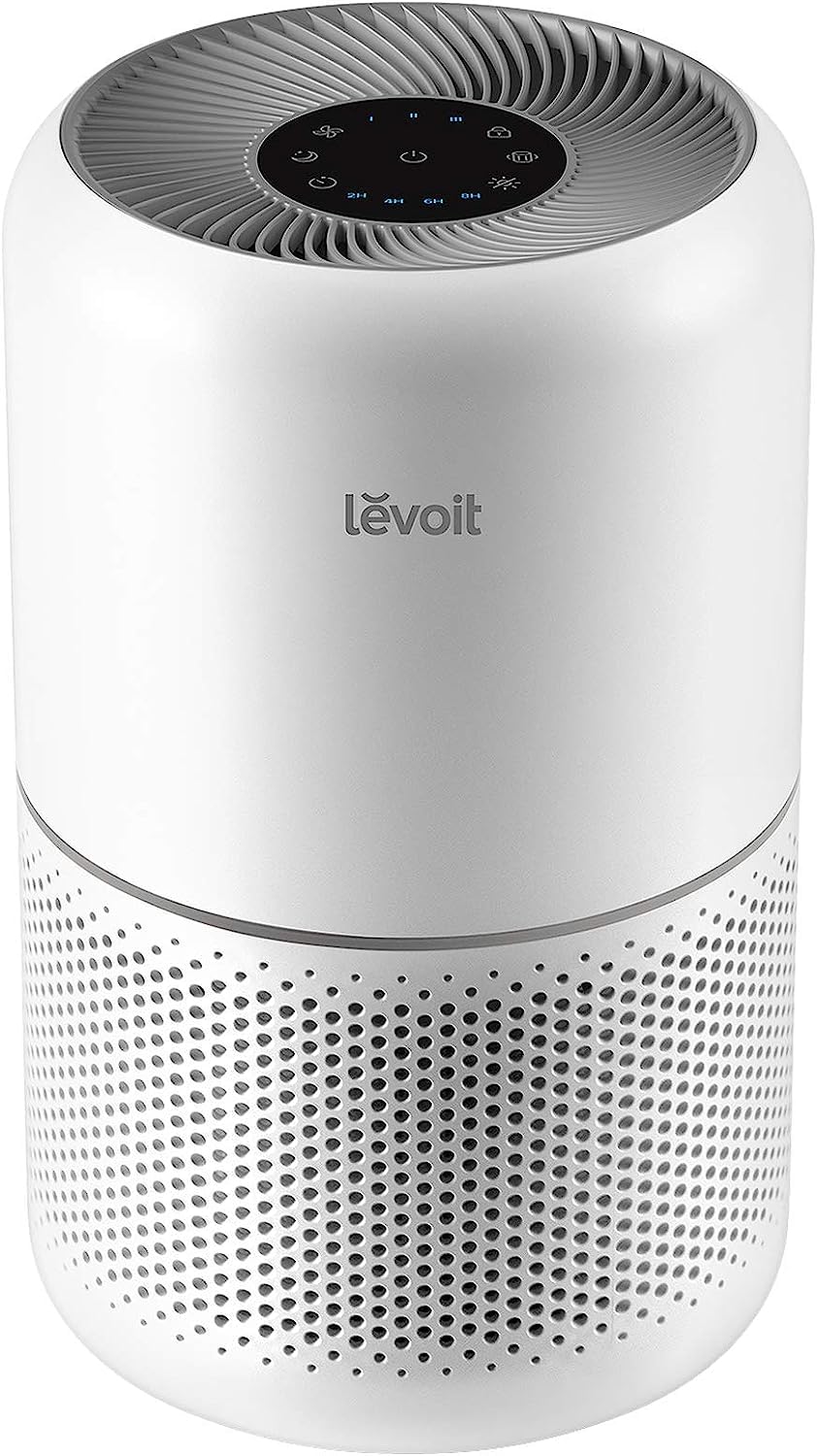
If the priority is quick weekday coffee, a single-serve or programmable coffee maker may be a better fit than a more complicated setup. If the goal is easier meal prep, a blender, slow cooker, or toaster only makes sense when it supports the kind of cooking you actually do. If the goal is cleaner indoor air, room size, filter cost, and noise level usually matter more than flashy seller claims.
A good home appliance guide should keep bringing the reader back to that point. Choose the category that best solves the real problem first, then compare specific products inside that smaller category. That sequence is cleaner, more natural, and far more likely to end in a satisfying purchase.
Compare Size, Noise, Cleanup, And Maintenance Before Features
Feature lists get most of the attention on ecommerce pages, but real-world satisfaction usually comes from smaller practical details. Countertop size matters in kitchens that already feel crowded. Water reservoirs, removable parts, dishwasher-safe pieces, and cord storage all affect whether a product feels convenient after the first week. Noise matters more than shoppers expect for coffee makers, blenders, air purifiers, and comfort products that run near bedrooms or shared spaces.
Maintenance also separates products that look similar on paper. A coffee maker with awkward cleanup or a purifier with expensive filter replacements can become annoying fast. That does not always mean the product is bad. It means the buyer should understand the tradeoff before clicking a deal button. The more expensive option is not always better, but the cheaper option can be a bad value if it creates daily friction.
One of the strongest signals of a good purchase is that it fits easily into an existing routine. That is why buying guides should spend more time on usability, upkeep, and footprint than on exaggerated marketing language. Those factors drive long-term value, repeat use, and better buyer confidence.
Separate Essential Features From Sales Copy
Many products rank well on Amazon because the listing page is optimized, not because the product is the best fit for most buyers. The safest way to filter through that noise is to decide which features are essential for your use case and which ones are simply nice extras. For coffee gear, essentials might include brew capacity, programmability, and easy cleanup. For kitchen appliances, they may include capacity, blade or heating performance, and storage convenience. For air treatment, they usually include room coverage, filter access, and tolerable day-to-day noise.
Anything beyond that should be treated as optional unless it solves a real problem. That mindset protects buyers from overspending on feature bundles that look impressive but rarely get used. It also protects against underbuying, where a product is so stripped down that the buyer replaces it a few months later.
A strong buying guide should help readers sort signal from noise. It should explain why a feature matters, who benefits from it, and when it can safely be ignored. That gives the guide more topical depth, improves SEO quality, and makes the next click into a review page much more intentional.
Compare Total Cost Instead Of Sticker Price Alone
Price matters, but it should never be the only decision point. The smarter comparison is total value over time. A low-cost coffee maker that brews inconsistently or feels frustrating to clean may not be a bargain. A low-priced air purifier that needs frequent filter replacements can become more expensive than it first appears. A kitchen appliance that spends most of the year in a cabinet also turns into wasted money even if the initial price looked attractive.
A good rule is to compare price against how often the product will save time, improve comfort, or make a routine more consistent. If an appliance solves a repeated problem several times a week, paying more can make sense. If the product only sounds useful in theory, the smarter move is often a simpler or cheaper option.
This is one of the clearest ways to make buying content feel real instead of generic. Buyers do not just want the cheapest option. They want the option that feels worth owning after the excitement of the purchase is gone.
Move From Guide To Best List To Review Without Getting Lost
The cleanest buying path is usually broad guide to best list to individual review. A guide like this should answer the category questions first. From there, the reader can open a best-products page for the exact niche they care about and cut the market down to a few serious finalists. Only after that should they spend time with detailed review pages and comparison pages.
That structure is better for readers and matches how people actually shop. They begin with research questions, narrow into shortlist pages, and then compare two or three products before clicking out to a retailer. When every page in that chain answers a different part of the decision, the whole site feels stronger and more trustworthy.
If you are ready for the next step, move into the category best pages first, then open the review pages for the two or three products that fit your budget, space, and use case. That will save time and lead to a much better purchase than bouncing through random marketplace listings.
Frequently Asked Questions
How do I know which home appliance category fits me best?
Start with the problem you want to solve most often. If your biggest pain point is morning coffee, begin with coffee gear. If it is faster meal prep, look at small kitchen appliances. If it is comfort or air quality, focus on air treatment and home comfort products first.
Should I buy the cheapest product in the category first?
Usually no. The better move is to compare price against how often the product will actually improve your routine. A slightly more expensive product can be the better value when it saves time, cleans up faster, or lasts longer.
What should I read after a buying guide like this?
Open the most relevant best-products page for your category, narrow the field to a few finalists, then use full review pages and comparison pages to make the final decision.