Buying Guide
Kitchen Appliance Buying Guide: How To Choose Small Appliances That Save Time
Learn how to choose the best small kitchen appliances by comparing use case, size, cleanup, storage, and long-term value before you buy.
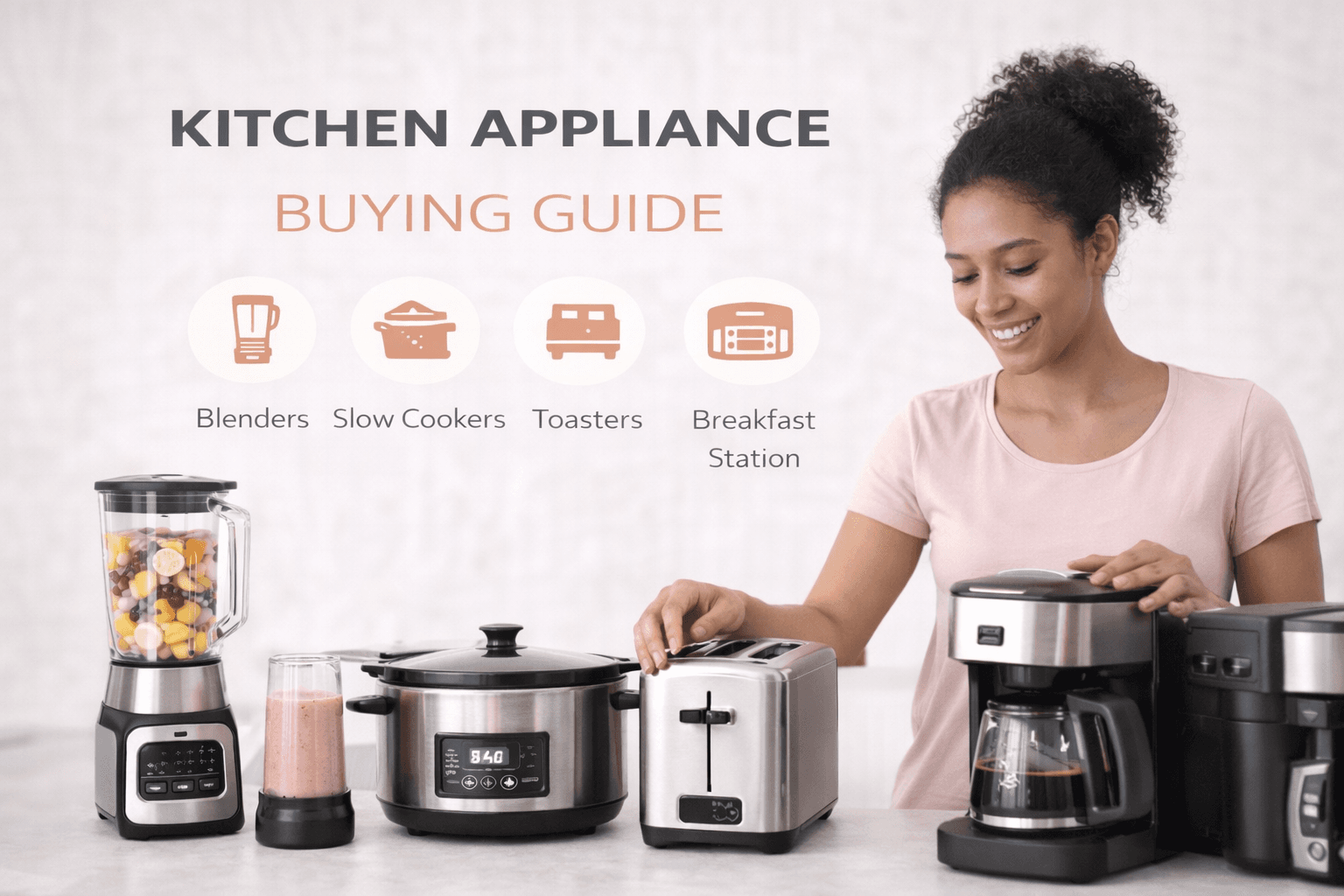
This kitchen appliance buying guide is built for readers who want practical help choosing small appliances that actually make cooking easier. The strongest kitchen purchases are rarely about owning more gadgets. They are about choosing the right countertop product for the jobs you repeat every week. Whether you are comparing blenders, slow cookers, toasters, breakfast stations, or prep tools, the smartest choice usually comes down to saved time, cleanup effort, storage convenience, and how often the appliance will really be used.
Buy For One Repeated Kitchen Job First
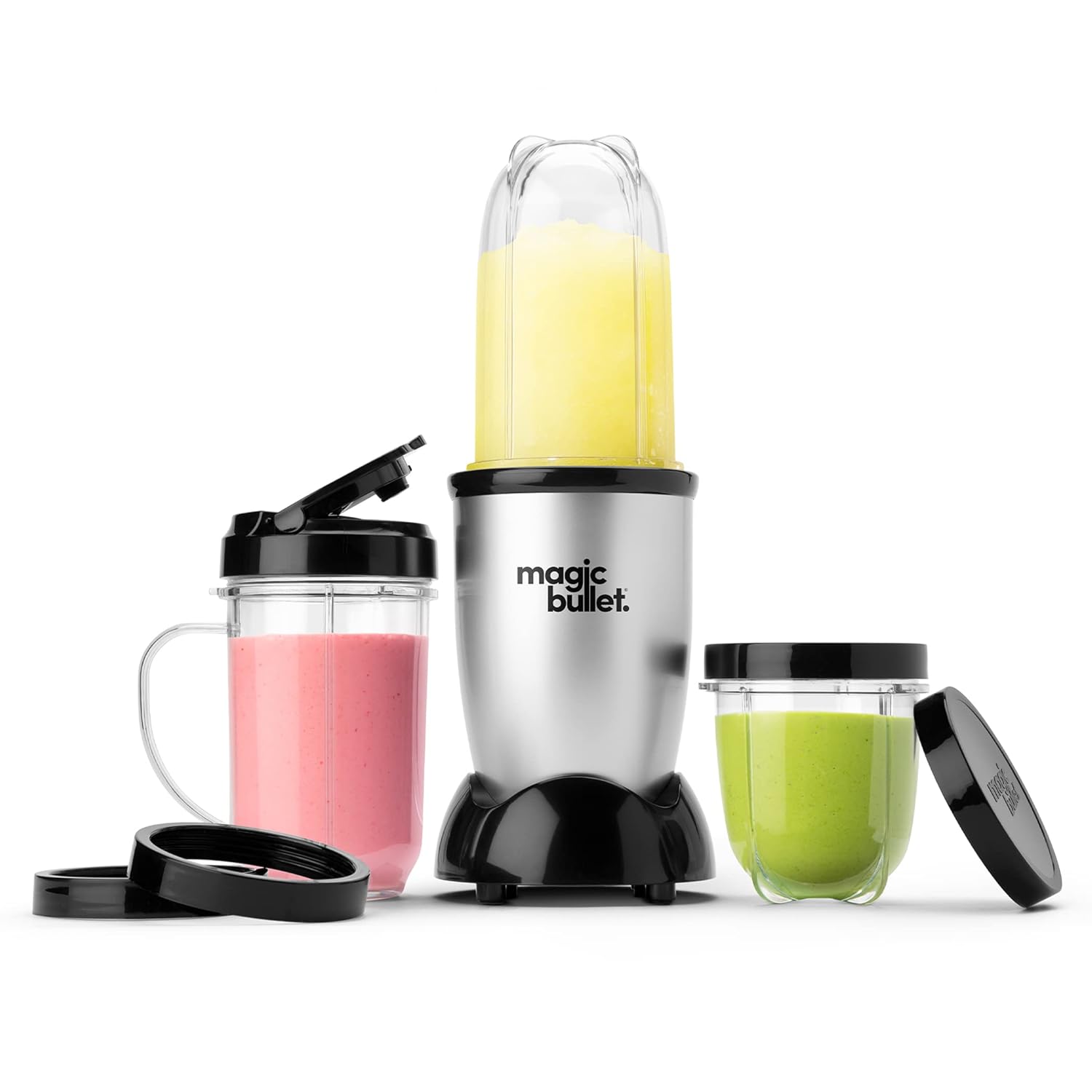
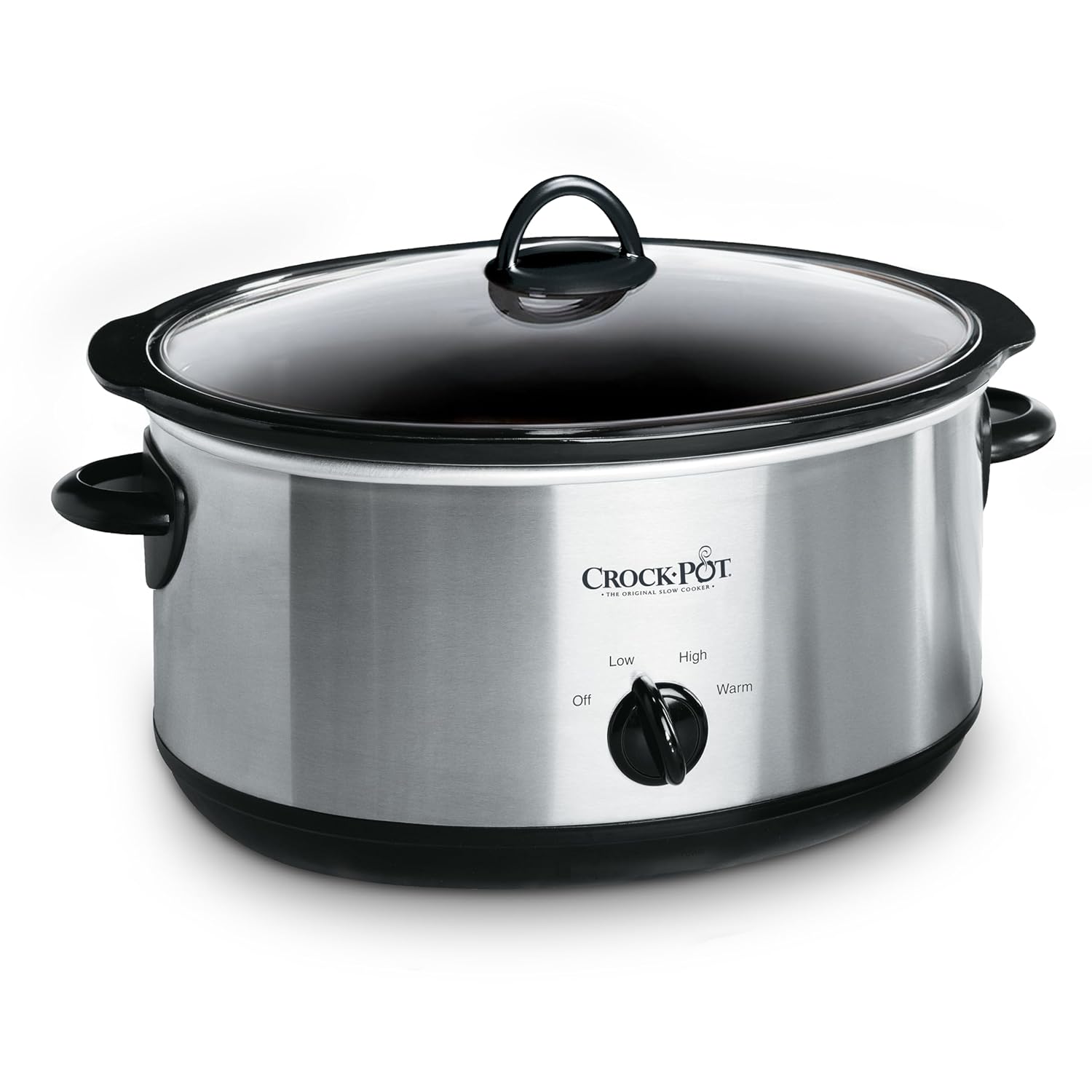
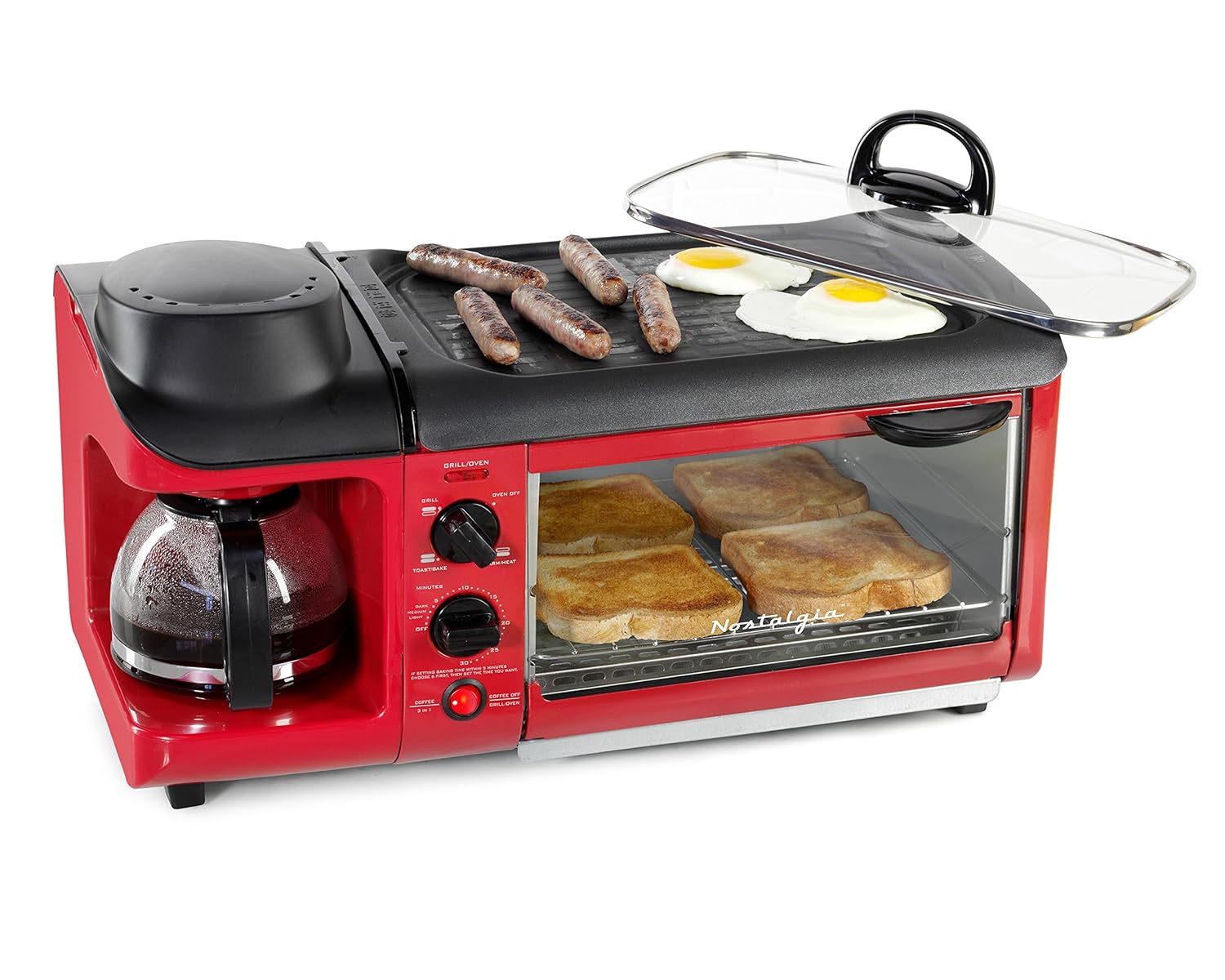
The easiest way to waste money on kitchen appliances is to buy for a vague idea instead of a repeated task. If you mostly make quick breakfasts, a toaster or breakfast station may matter more than a bulky multi-use gadget. If you rely on batch cooking, a slow cooker can be the smarter investment. If you make smoothies, sauces, or quick prep recipes, a compact blender may solve the most friction.
A good kitchen appliance guide should always bring the buyer back to this question: what task will this product handle again and again? That answer is more important than a long list of advertised features. It also helps separate useful appliances from impulse buys that look attractive on a product page but rarely stay on the counter for long.
The strongest SEO content in this niche works because it mirrors how people actually shop. They are not just looking for the best kitchen appliance in general. They are trying to solve a specific food-prep or cooking problem.
Compare Capacity, Footprint, And Power With Your Kitchen In Mind
Small kitchen appliances live in real kitchens, not in perfect product photos. That means countertop space, cabinet storage, cord length, weight, and overall footprint matter much more than buyers expect. A great appliance can still be the wrong choice if it is too large to keep accessible or too inconvenient to store after every use.
Capacity matters too. A compact blender may be ideal for one person but feel limiting for family meal prep. A slow cooker with a larger capacity can be useful for weekly batch cooking, but it may be more appliance than a small household needs. The right size depends on how often you cook, how many people you feed, and how much space you realistically have.
Power and performance only matter when they serve the job you want done. Higher output is helpful when it makes prep faster or results more consistent. It is not useful when it simply adds bulk, noise, or cost without changing the everyday experience.
Cleanup And Storage Decide Whether The Appliance Gets Used
Many appliances perform well on day one and then slowly disappear into cabinets because they are annoying to clean or awkward to store. That is why cleanup should be treated as a major buying factor, not a minor detail. Removable parts, dishwasher-safe pieces, wipe-down simplicity, and easy access to the main working area all affect whether the appliance feels worth owning over time.
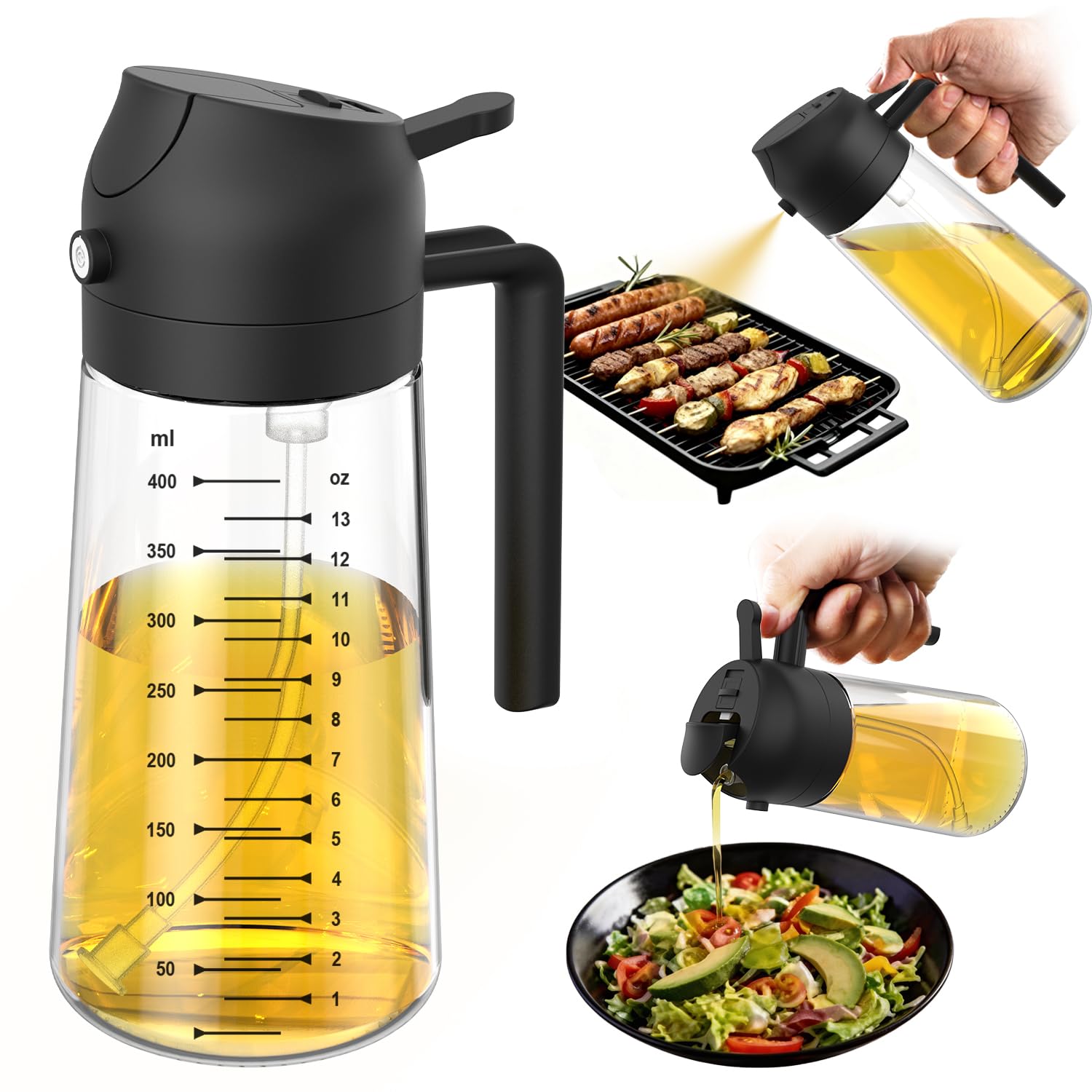
Storage convenience is just as important. A toaster or oil sprayer that stays easy to grab can become part of the routine. A bulky machine that is difficult to move or reassemble may only come out occasionally, which changes the value story completely.
This is where practical buying advice beats generic marketing copy. The best kitchen appliance is usually the one that saves time without creating a second job in cleanup or storage.
Know When A Multi-Use Appliance Beats A Specialist Product
Buyers often assume multi-use appliances are automatically the best value, but that is only true when the extra functions match your real habits. A multifunction breakfast station can be useful in a compact kitchen or dorm-style setup. In another kitchen, separate specialist tools may perform better and feel easier to maintain.
The same logic applies across the category. A product that combines several jobs can save money and space when those jobs overlap with what you actually do. If most of the extra functions go unused, the appliance becomes harder to justify.
A smart buying guide should help readers understand when flexibility is worth paying for and when a simpler appliance is the better long-term purchase.
Common Kitchen Appliance Buying Mistakes
The first common mistake is buying for occasional inspiration instead of repeated use. The second is underestimating how much cleanup effort shapes long-term satisfaction. A third is picking a product that looks compact online but still feels inconvenient in a real kitchen.
Another frequent mistake is comparing only star ratings and not thinking about how the appliance fits the actual cooking routine. Ratings can be helpful, but they do not replace questions about frequency of use, storage, cleanup, and household size.
The strongest kitchen purchase usually feels obvious in hindsight. It fits the space, solves a common task, stays easy to clean, and earns its footprint week after week.
How To Build A Smarter Kitchen Appliance Shortlist
Start with the best kitchen appliances page so you can sort products by use case, budget, and overall value. From there, open the individual review pages for the products that match your kitchen size and cooking habits. If you are stuck between two finalists, use the comparison page or read one cheaper and one stronger alternative before buying.
This path is more efficient than jumping straight into retailer listings because each page answers a different part of the decision. The guide explains what matters, the best page narrows the category, and the review page checks whether the product is actually worth the price.
That is the fastest way to choose a small kitchen appliance that feels useful after the purchase instead of turning into another underused gadget.
Frequently Asked Questions
How do I choose the best small kitchen appliance for my home?
Start with the kitchen task you repeat most often. Then compare footprint, cleanup, storage, and capacity. The best appliance is the one that saves time regularly and fits your kitchen without becoming a hassle.
Is a multifunction appliance always the better value?
Not always. It is only better when you will actually use the extra functions. If you only need one core job done well, a simpler specialist appliance can be the smarter buy.
What should I read after this kitchen appliance guide?
Move into the best kitchen appliances page first, then open the review pages for the two or three products that match your budget, kitchen size, and cooking routine.